Total Pageviews

Showing posts with label glacial drift. Show all posts

Sunday, March 20, 2011

Gold Occurrences in Indiana

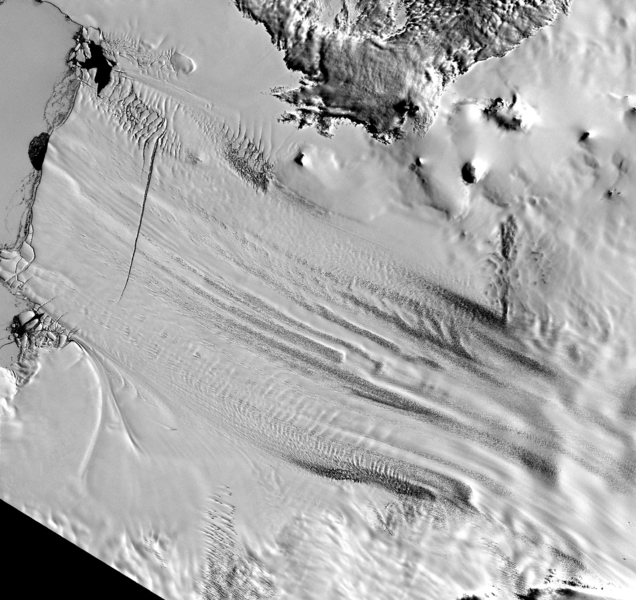
A glacier like this once covered Indiana to a depth of over two miles.
This glacier melted away only 12,000 years ago bringing with it gold and precious stones from Canada.

The entire state of Indiana is covered by a layer of glacial drift that was deposited during two episodes of glaciation that occurred in the last 300,000 years. These were the Illinoian and Wisconsinan glaciers that deposited gold bearing glacial deposits of sand and gravel across Indiana all the way from Lake Erie to the Ohio River. That wasn't all the glaciers brought with them to place your deposits of Indiana also carried diamonds, rubies, sapphires and zircons. 


It was reported by one writer does the gold in Indiana came from an unknown source, and covered most of the state. The gold is found throughout Indiana came from the Abitibi Gold Province of Canada that extends all the way from Wawa, Ontario on the shores of Lake Superior to the Val D’or, Québec the distance of over 500 km. The Abitibi is the second most rich gold producing area in the world after the Witwatersrand in South Africa. Since the initial discovery of gold in this region in the early days of the 20th century the gold mines of the Abitibi have produced over 160,000,000 ounces of gold. This is more gold than there is in Fort Knox!

Panning for gold
Photo by Alan Souter

It was from this region that the glaciers scraped off all the loose gold in deposited it in the states of the American Midwest. You can readily see this just by looking at a map of North America, Indiana is due South of Canada.

Rather than going through a long tiresome list of gold producing streams and rivers in Indiana is simpler to just say that gold can be found in any one of them, as wells as any sand and gravel deposits that are found in the state.

All the gold deposits that are found in Indiana are placer deposits with no lode deposits in the state at all. This is because the state is covered by a thick layer of sedimentary rock that was deposited during the Paleozoic era over 200 million years ago. The layer is several thousand feet thick, and any lode gold would be discovered in the crystalline rocks that underlay the state. These rocks are the same variety found in Canada, so they probably contain gold deposits that are out of reach at the present time.

A great deal of information concerning gold and other mineral deposits in Indiana are available from the USGS, and the Indiana Geological Survey.

Sunday, March 13, 2011

Gold Occurrences in Ohio

Gold does occur in Ohio in the glacial drift that covers the state where it has been brought down from Canada by two separate episodes glaciation the Wisconsinan and the Illinoian in the past 300,000 years. There is no lode gold in Ohio because the crystalline bedrock of the state is buried beneath thousands of feet of sedimentary rocks. Since the crystalline basement rocks are an extension of the Canadian Shield it is safe to assume that there is gold bearing mineralization under the overlying sedimentary rock as there is in the Abitibi gold belt to the north in Canada.

Glacial Deposits in Ohio
By Ohio Geological Survey


All the gold that is found in Ohio is placer gold that was brought down from the Abitibi region of Ontario during the last two ice ages that is widely distributed all the way from Lake Erie all the way to the Ohio River. The placer gold deposits in the state cover about two thirds of its area and even they are covered by younger lake bottom and wind borne deposits. Just about any river or stream in Ohio has the capability of carrying placer gold. Although gold is not plentiful in Ohio there is enough to attract the interest of many part-time gold miners and prospectors.

The discovery of gold in Ohio probably dates back to the return home of some California gold miners that started exploring the local rivers and streams for placer gold, and found some. The most plentiful gold in Ohio is found in the deposits that were laid down in front of glaciers in areas that are called terminal moraines. Just about any flowing water in this area will have gold bearing sands.

The glacial map of Ohio narrows down the most likely places to find gold in the state so study the map carefully. This map is available from the Ohio Geological Survey in a much more readable scale than is possible on the computer. They also publish a paper called GeoFacts No, 9 that is titled “Gold in Ohio” that should be read by any goldseekers that want to find gold in Ohio. and the Illinoian in the past 300,000 years. There is no lode gold in Ohio because the crystalline bedrock of the state is buried beneath thousands of feet of sedimentary rocks. Since the crystalline basement rocks are a seller and extension of the Canadian Shield it is safe to assume that there is gold bearing mineralization under the overlying sedimentary rock as there is in the Abitibi gold belt to the north in Canada.

All the gold that is found in Ohio is placer gold that was brought down from the Abitibi region of Ontario during the last two ice ages that is widely distributed all the way from Lake Erie's all to the Ohio River. The placer gold deposits in the state cover about two thirds of its area and even they are covered by a younger lake bottom and wind borne in deposits. It just about any river or stream in Ohio has the capability of carrying placer gold. Although gold is not plentiful in Ohio there is enough to attract the interest of many part-time gold miners and prospectors.

The discovery of gold in Ohio probably dates back to the return home of some California gold miners that started exploring the local rivers and streams for placer gold, and found some. The most plentiful golden Ohio was found in the positives that were laid down in front of the glaciers in areas that are called terminal moraines. Just about any flowing water in this area will have gold bearing sands.

The glacial map of Ohio narrows down the most likely places to find gold in the state so study the map carefully. This map is available from the Ohio Geological Survey in a much more readable scale than is possible on the computer. They also publish a paper called GeoFacts No, 9 that is titled “Gold in Ohio” that should be read by any goldseekers that want to find gold in Ohio.