The answer is simple; the action of the glacier destroyed the placer gold deposits. It is hard to realize that the last period of continental glaciation lasted until about 12,500 years ago when the glaciers started to recede. The northern U.S. and Canada were covered with ice sheets that were up to two miles thick. It was the grinding action of this glacier that destroyed most placer deposits of gold.
Two exceptions to this continental glaciation can be found in Alaska and Northeastern Siberia. This whole area was largely ice free due to its arid climate during the period of continental glaciation. In Alaska this left the Tintina Gold Belt largely uncovered giving rise to two of the greatest gold rushes of modern times; the Klondike and the Fairbanks rushes. In Siberia extensive placer deposits of gold were found in the Kolyma River Basin that gave rise to the slave labor camps that were known as the Gulag. This area was above water during the glaciations and was known as Berengaria a continental landmass of continental proportions. Berengaria provided a land bridge between Asia and North America allowing the migration of animals and mankind from one to another.
Due to the grinding action in a large glacier it is doubtful that little or no gold in the northern U.S. had its origin in Canada. To be reduced to fine powder gold it wouldn’t have to travel too far in a glacier with a top figure of around 300 kilometers.
The thin placer deposits found in New England are more likely have been derived from lode deposits buried under the covering of glacial till that for the most part is around 4 meters deep and can range to well over 100 meters. We have personally observed lode gold deposits in place making it virtually possible that if you are finding placer deposits larger then gold dust that it has its origin in buried lode deposits.
In New England the glacier traveled roughly northwest to southeast. On one occasion we observed a gold nugget from a stream in western Connecticut that weighed about a pound. This nugget was barely rounded and was at least one-half quartz, a clear indication it hadn’t traveled too far from its source. For that reason we would like to have reports of any placer gold found in New England larger then flour gold. You can reach us at geotekllc@gmail.com.

This is about the gold mining and prospecting industry. Tell your friends about us! You can find our blog at http://goldminingandprospecting.blogspot.com We've been working on our new book about East Coast Gold that should be ready by October. If you want to reserve a hard copy go to geotekllc@gmail.com
Showing posts with label glacier. Show all posts
Showing posts with label glacier. Show all posts
Thursday, October 13, 2011


Friday, December 10, 2010
Gold Deposits from Continental Glaciation in the American Midwest
Introduction:
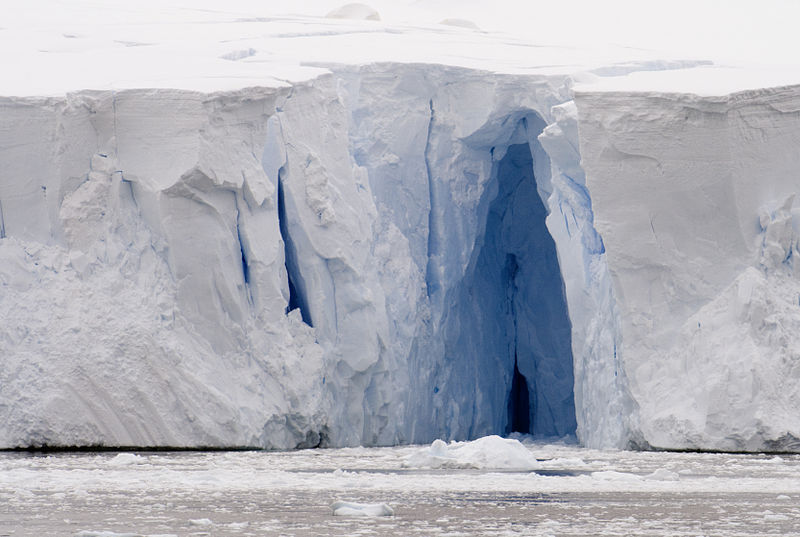 |
| This is what a continental glacier looks like |
During the past 1 million years there have been three episodes of continental glaciation that has covered the northern hemisphere with vast ice sheets more than two miles thick. Over much of the Midwest these continental glaciers southern boundaries are today marked by the Missouri Ohio
The Abitibi:
To the north in Canada Midwest of the United States Missouri Ohio Rivers Ohio River with lesser amounts spread across the states from western New York Missouri
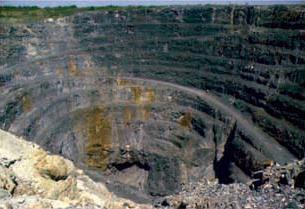 |
| A gold mine in the Abitibi Gold Belt, Canada |
The glacier explains the presence of gold in the northern United States Ontario
Gold in the Midwest :
 |
| A terminal moraine in the foreground where the glacier stopped and just dumped its load. |
A terminal moraine is characterized by a hummocky appearance of many small hills and valleys and large deposits of sand and gravel. Subsequent reworking of the material by streams in a terminal moraine has resulted in the concentration of gold in the channels of streams throughout the area. Most of the gold is concentrated in an area north of the Ohio River , and just to its north, however enough gold was dragged down from Canada Great Lakes and in thin deposits across the states. .
Subscribe to:
Posts (Atom)