Total Pageviews

Showing posts with label environmental laws. Show all posts

Friday, May 11, 2012

How to develop a hard rock gold deposit


An open pit gold mine at Val D'or, Quebec.  The refinery is in the background.


Once a prospector has found a viable gold deposit where a mine is going to be built the job is turned over to a firm that specializes in turning the prospect into a working mine.  It is because of this one of the great associations of the mining business got its name – the Prospectors and Developers Association of Canada (PDAC).

To create a working mine many different things have to come together, and the mine developer is like the conductor of a symphony orchestra.  One of the very first things that happen is deciding the form the mine is going to take open pit or underground.  Both types of mine have their strongpoints and sometimes the two schemes are worked together as at the Kidd Creek Mine in Timmins, Ontario.  Even to a layman it’s obvious that an open pit mine is more economical to operate then an underground mine because it requires much less equipment.  It can also use large equipment that can’t be used underground.
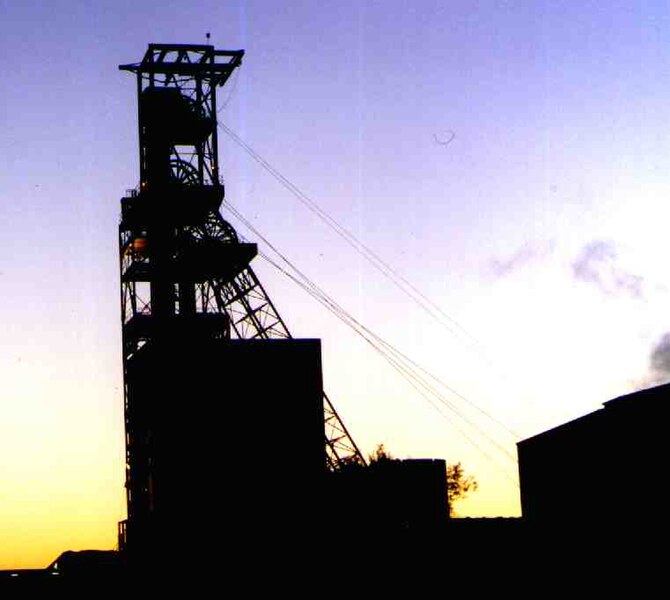
The Oryx Mine in South Africa - An example of an underground gold mine.
Photo by Babakathy

Most countries have environmental laws that require getting all kinds of environmental permits before starting construction of a mine.  This also falls under the purview of the developer although the actual permitting process is under the direction of a lawyer.  Another important document in the permitting process is the Mine Closure Plan that is usually prepared by an engineer or landscape architect that describes what will happen to the real estate once the mine closes for good.

Depending on the size of the mine determines how much physical work will be required to bring the mine up to production.  This can be a major construction project in itself involving all kinds of construction equipment let along mining equipment.

This is why the Mexicans say, “It takes a silver mine to open a gold mine,? 

Thursday, January 6, 2011

The Environmental Consequences of Buying or Selling a Gold Mining Claim

The environmental consequences of buying or selling a gold claim is basically the same as they are for any other piece of commercial property.  If the sale is between two parties without any money coming from a bank or other mortgage company the sale can go forward with no environmental work other then a due diligence investigation that should be undertaken in the name of buyer prudence.  If it requires any bank or other source of financing they will in the normal course of business require at least an Environmental Site Assessment Phase I of the property.  If there are no environmental infractions present the Phase I assessment will suffice.  If environmental infractions are discovered in the Phase I assessment will have to be addressed using a Phase II assessment that is used to determine if in fact an environmental infraction has occurred using samples of soil and ground water taken from the site.

An example of acid mine drainage.

If it is determined from the results of the Phase II assessment the environmental investigation will proceed to a Phase III assessment that determines the extent of the environmental infraction and develop a plan for remediating the infraction.

The final step of the remediation process where various techniques are used to eliminate the infraction.  Some of these processes involve the removal of contaminated soil from the site and placing it in a secured landfill.  If the contaminant is an organic chemical the offending chemical can be removed by igniting the soil in a special furnace or incorporated into blacktop.  Ground water is usually remediated by passing it through filters or an ion exchange resin, and is often pumped back into the ground using an injection well.

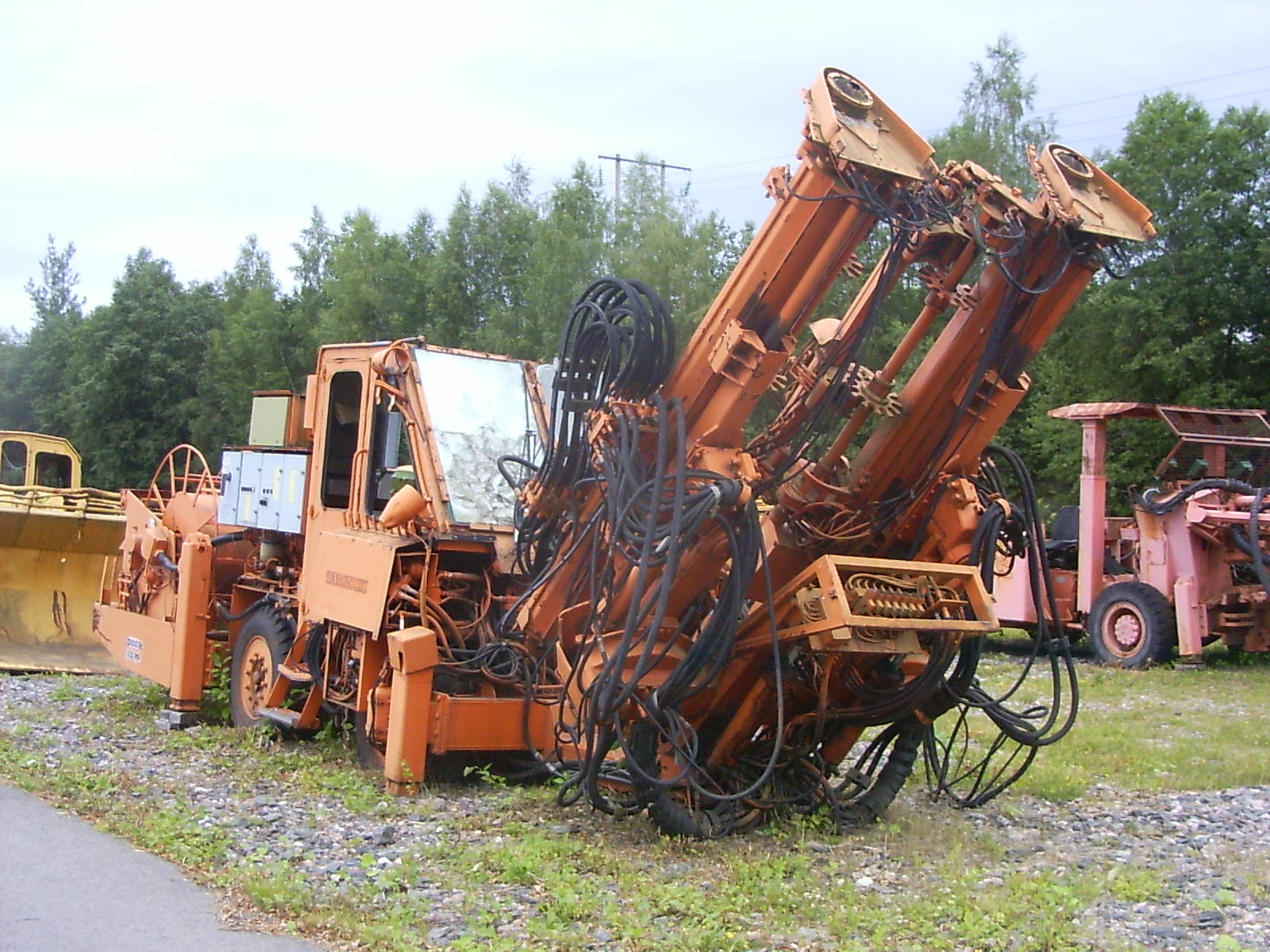
When mining equipment is abandoned it becomes a source of environmental contamination.

The law concerning environmental issues varies according to location.  In the United States the law concerning environmental site assessments is usually enforced by the banks although the individual states are the author of local laws following the environmental laws of the United States. 

The most likely contaminants to be released into the environment resulting from mining activity is petroleum products caused by equipment failure or leaking underground storage tanks.  Further contamination can be caused by the chemicals used to process gold ore including cyanide and mercury.  In its aftermath mining can also cause environmental contamination by acid mine drainage and heavy metal salts.

An aerial view of the Big Pit at Kalgoorlie, Australia showing heaps of mine tailings.


This document was prepared from knowledge gained in over thirty years by the author in conduction Environmental Site Assessments and directing numerous remediation projects involving commercial and industrial properties.  In addition the author is certified by the State of Connecticut as an Environmental Analyst Grades I, II and III.

This is not to be construed as legal advice as we are not attorneys; consult with a lawyer in your jurisdiction for any legal opinions.

Copyright 2011 by John Carter all rights reserved.