|
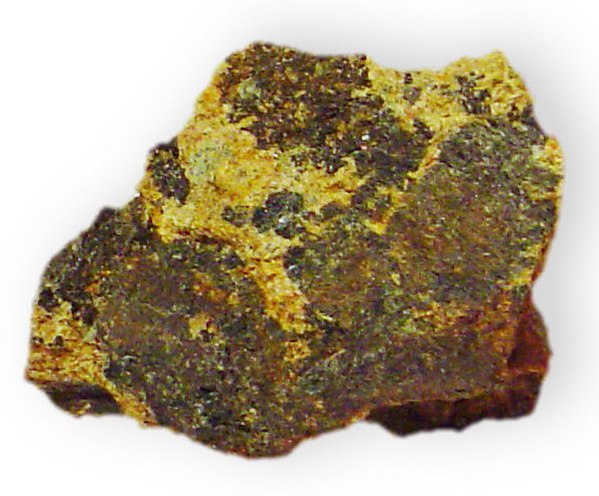
| A small gold nugget that can be found in sidewalk cracks. Photo by Rob Lavinsky |
The last place you would ever expect to find gold is around roads and sidewalks, but according to our spies it turns out that these are excellent places to search for placer gold. The sidewalk or road all have cracks, and a surface that is ideal for catching gold. There may not be much, but over time the cracks can collect quite a bit of gold particles. Another place where gold will collect is on the side of roads or sidewalks. It has been reported to us that at least one man makes a living from the gold he collects from sidewalk cracks in New York City
 |
| A good place to look for gold is at the sides of roads, or cracks in the pavement/ Aron C's Photos |
This doesn’t only work in New York Timmins , Ontario Washington , DC
Gold in cracks is going to require some different tools then the average gold miner would think about, although many of them can be found in the average kitchen like a broom and dust pan. You can’t pan for gold in the middle of the road so you’ll need a plastic bad with a zip top to hold your concentrate until you get home. Other handy tools include a paint brush, a small carpenter’s level, a magnifying glass and some kind of metal hook to get the gold bearing sand out of the cracks. A battery powered vacuum cleaner is a nice addition, but not necessary.
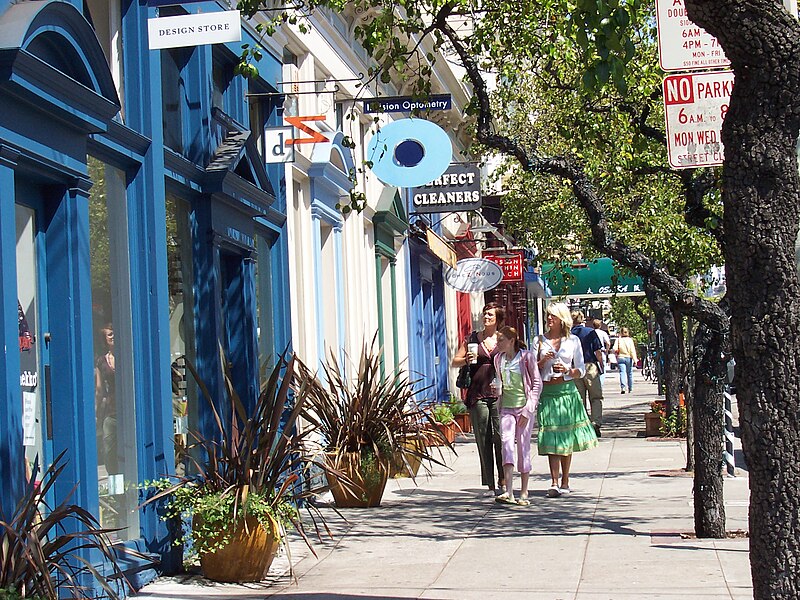 |
| Gold lurks in the cracks found in sidewalks. Photo by Christopher Beland |
The carpenter’s level is so you can check the slopes to see which way the gold has traveled. The broom is for sweeping the sidewalk; the brush is for getting into the cracks. The vacuum cleaner can be used in place or the broom or brush. The dustpan is for collecting the dirt from the road or sidewalk. The plastic bag is to put what you have collected into before taking it home where it is finished.
The major source of this gold it from what is carried onto the sidewalk from peoples feet. It takes several years for the accumulation of gold to build up enough to be worthwhile. On roads the gold comes from road sand in colder places, or from gold that is carried onto the road by tires. Most of this gold migrates to the side of the road by the action of runoff, where it is found right next to the side of the road.
There are many other odd places where gold can be found especially if you are prospecting around old ghost towns. Some of the best places to look is where there were former salons or bordellos. Just remember the old saying; gold is where you find it!