Total Pageviews

Showing posts with label China. Show all posts

Monday, April 18, 2011

Nancy Twinkie sees Green and finds Platinum

After a few prospecting and rock hounding trips it was apparent that Nancy Twinkie was going to become a seasoned prospector and it wasn't just for gold. On the road from Chester Massachusetts to Middlefield you drive by a long stretch of serpentinite along the road where the builders had blasted the road out of the side of a mountain. The serpentine that came off that mountain during the 19th century was used as ship’s ballast by an enterprising ship captain that originally came from Chester.

This is a piece of uncut jade that resembles the serpentine found in Chester, Massachusetts.

In a previous voyage he had taken some of the serpentine to China, and the Chinese jade carvers fell in love with the stuff because it looked just like jade and was easier to car because it was softer. For it while there was a brisk trade in the serpentine, and several shiploads found their way to China where it was carved then exported back to the United States and the rest of the Western world as Soochow jade.

Just about in the center of this exposure of serpentine a small stream came down off the mountain, and although at different times I had stopped alongside this road cut to pick up some samples of serpentine myself, and quickly discovered that it was fine cutting material for making cabochons that were greenish incolor and displayed some interesting patterns.

A platinum nugget of the same color of what we found in our gold pans.
Photo by Rob Lavinsky

On one of our rock hounding trips into the Berkshires Nancy Twinkie and me stopped at this small stream to see if it contained any gold. Because serpentine is derived from metamorphosed oceanic crust that in some places is called greenstone there was a pretty good probability that we may find some gold. We didn't, but what we did find were some very small flakes of silvery metal that although we never tested these flakes to see what they really were there is a good possibility that they were platinum. Serpentine is what they call an ultra-mafic rock in which platinum is known to occur; so there is a good possibility that was what we found that day.

Gold associated with belts and greenstone in many places in the world where they produce gold; one of these so called greenstone belts is the Abitibi gold belt in Québec and Ontario is one of the great gold producing areas on earth. You might say that Nancy Twinkie saw the greenstone, serpentine, and probably found platinum.

Thursday, February 24, 2011

The Price of Tungsten reaches Historic Highs

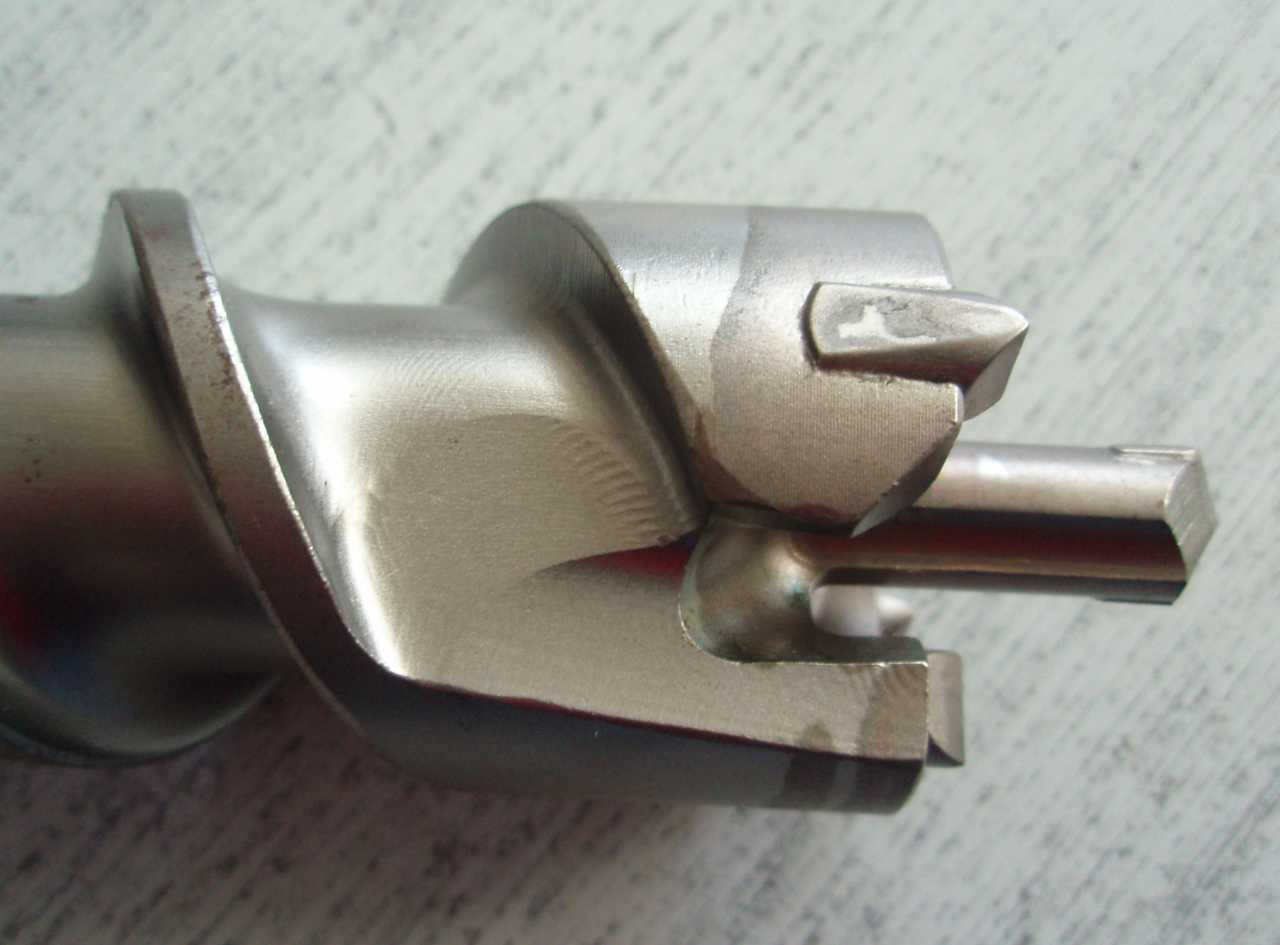
A metal that has so many unique properties tungsten is invaluable in many industrial applications. Tungsten has the highest melting point of all the elements except carbon, and its density is higher than lead. When you dissolve tungsten in carbon you end up with a product called tungsten carbide capable of being used in the machining trade as cutting tools and drills. In the mining industry is used to manufacture carbon button drills for both petroleum and mining uses. In military applications tungsten carbide is used as the core of armor piercing artillery rounds, and rocket nozzles because it is capable of standing up to the high temperatures involved. This is another metal that the world is coming to depend on China for most of its supply even though its ores that are widespread are considered to be gangue for many other metals including gold.

A sintered tungsten bar.
Photo by Jurgii

Like rare earth metals China has lowered its export quotas for tungsten since 2008. This year it has been lowered to the extent the quota stands at 15,700 tons, this is a reduction of 300 tons over the year 2010. This has resulted in an extremely tight market for the metal along with increased demand has sent the prices as of February 23 to $50 per kilogram representing a new all-time high.

China has ceased exports of concentrate, and Rob materials, but they will export semi-refined and refined powders. In the years 2004 in five the recycling component of tungsten was only around 5%, but it has reached as high as 35%. While the Chinese limited the amount of tungsten coming to the world market the results of this recycling effort has acted as a buffer, but now it has reached the ceiling.

A rotary hammer drill bit with tungsten carbide inserts.

The cause of the present shortages can be laid to low prices as well as a lack of buyers that forced many tungsten miners to cease production. When the market started coming back the inventories of the model were quickly depleted. This caused the initial attempt to restock while the balance between recycled tungsten increased just as the amount of exports from China dwindled. This is caused a sudden spike in the cost of tungsten.